Move-In Ready vs. To-Be-Built Homes in Southwest Florida
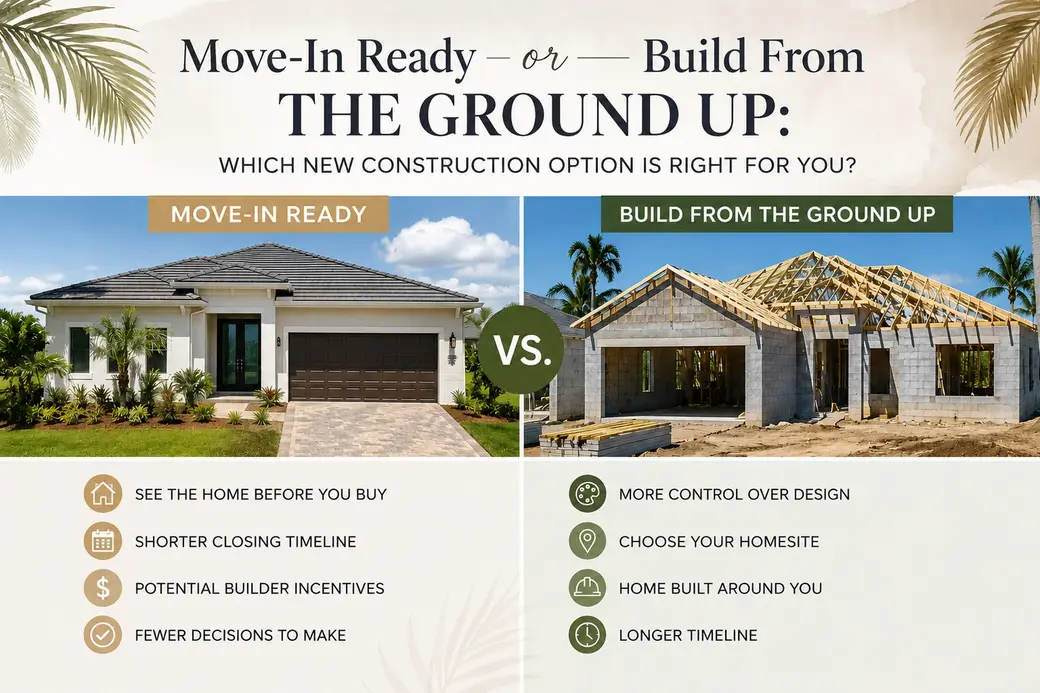
Move-In Ready or Build From the Ground Up: Which New Construction Option Is Right for You?
When buyers begin looking at new construction homes in Southwest Florida, they quickly discover that not every new home follows the same purchasing process.
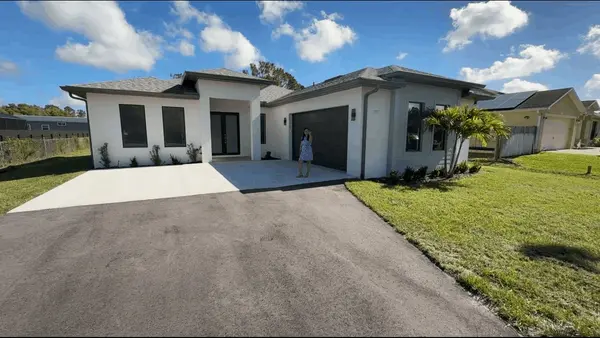
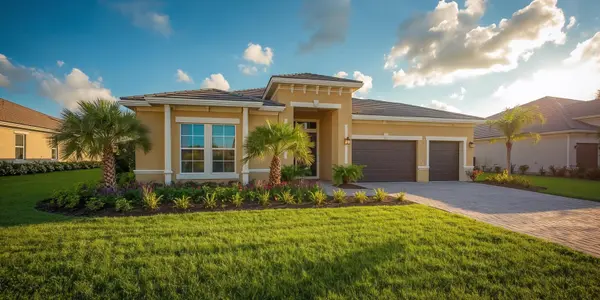
Some properties are already completed or close to completion. These are commonly called move-in-ready, quick move-in, or inventory homes.
Other homes are sold before construction begins, allowing the buyer to select a floor plan, homesite and, depending on the builder, certain finishes and upgrades.
Both options can be attractive. The best choice depends on your timeline, budget, financing, lifestyle and willingness to make construction-related decisions.
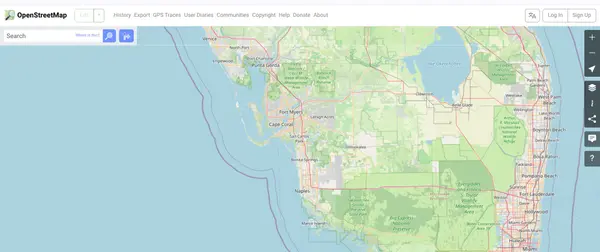
Southwest Florida buyers currently have opportunities to compare available inventory, builder incentives and completed new homes in markets such as Naples, Fort Myers and Cape Coral. Adriana’s website also features new-construction inventory, including completed properties marketed as ready for occupancy.
What Is a Move-In-Ready Home?
A move-in-ready home is generally completed or already under construction when the buyer signs the contract.
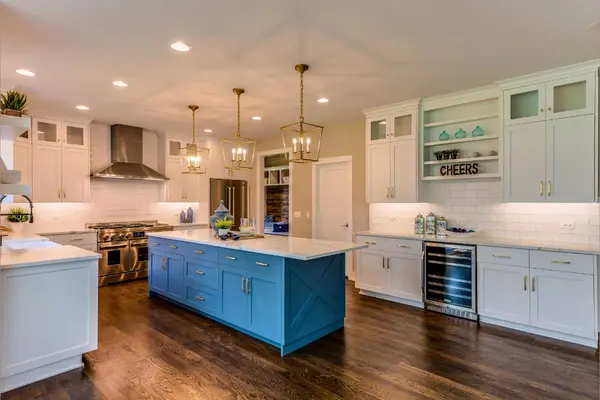
The builder has usually selected the floor plan, structural options, cabinets, flooring, countertops, fixtures and exterior colors. In some cases, the buyer may still be able to choose a few remaining finishes, but most major decisions have already been made.
This option is especially attractive for buyers who need to relocate, have an approaching lease expiration or do not want to wait several months for a home to be built.
Advantages of a Move-In-Ready Home
You can see what you are buying.
Instead of relying only on floor plans or renderings, you may be able to walk through the actual home and evaluate the room sizes, natural light, finishes, backyard and location.
The closing timeline may be shorter.
A completed home can usually close sooner than one that has not yet started construction, subject to financing, inspections, title work and any remaining builder requirements.
Builders may be motivated to sell existing inventory.
A completed home represents capital that the builder has already invested. Depending on the property and current inventory, the builder may offer incentives to encourage a faster sale.
There are fewer construction decisions to make.
Some buyers enjoy selecting every detail. Others find the process overwhelming. A quick move-in home simplifies many of those decisions.
Possible Disadvantages
The main limitation is reduced customization.
You may not be able to change the flooring, cabinets, exterior elevation or structural layout without replacing materials after closing. You are also selecting from the builder’s available inventory rather than choosing any homesite in the community.
What Is a To-Be-Built Home?
A to-be-built home begins with a floor plan and a selected homesite.
Depending on the builder and the stage of the community, the buyer may be able to choose:
- Exterior elevation.
- Structural options.
- Additional bedrooms or bathrooms.
- Extended lanais.
- Garage configuration.
- Flooring.
- Cabinets.
- Countertops.
- Fixtures and interior colors.
The amount of customization varies significantly. Some production builders provide a defined selection package, while custom builders may allow the buyer to make many more decisions.
Advantages of Building From the Ground Up
You may have more control over the final design.
A buyer who has strong preferences regarding finishes, layout or location may appreciate the opportunity to make selections before construction begins.
You can choose the homesite.
Depending on availability, you may be able to prioritize a lake view, preserve view, cul-de-sac location, southern exposure or proximity to community amenities.
The home is created around your preferences.
Instead of accepting another person’s design choices, you can potentially select the options that work best for your family.
Possible Disadvantages
The biggest consideration is time.
Construction schedules can be affected by permits, inspections, labor availability, weather, materials and other factors outside the buyer’s control.
Buyers should also understand how deposits work, which deposits are refundable, when design selections become final and whether the total price can change after upgrades are selected.
Which Option Usually Offers Better Incentives?
There is no universal answer.
Builders may offer stronger incentives on move-in-ready homes because they want to reduce existing inventory. However, a to-be-built home may offer more design flexibility or access to a preferred homesite.
The right comparison should include more than the base price.
Ask for a written breakdown showing:
- Final purchase price.
- Homesite premium.
- Structural upgrades.
- Design-center selections.
- Closing-cost contribution.
- Mortgage-rate incentive.
- HOA or community fees.
- Estimated property taxes.
- Estimated insurance.
- Required deposits.
- Items excluded from the price.
Five Questions to Help You Decide
1. When do you need to move?
A buyer who needs a home within 30 to 90 days may be better served by completed inventory. Someone with a flexible timeline may prefer to build.
2. How important is customization?
If you have very specific preferences, building may provide greater flexibility. If you like the finishes in an existing home, a quick move-in property may offer better value and convenience.
3. How comfortable are you with construction uncertainty?
Estimated completion dates are not always guaranteed. Buyers should be prepared for possible schedule changes.
4. Are you comparing the final price or only the base price?
The advertised base price may not include the homesite premium, structural upgrades, design options or certain exterior features.
5. Which option provides the best total financial package?
A move-in-ready home with a closing-cost credit or mortgage-rate incentive could be more affordable than a lower-priced home without those benefits.
Always Inspect the Home
A new home should still be independently inspected.
Depending on the construction stage, buyers may consider:
- A pre-drywall inspection.
- A final inspection before closing.
- A follow-up inspection before the builder warranty expires.
The inspector works for the buyer and can identify incomplete work, installation concerns or items that should be corrected before closing.
Let’s Compare Both Options
The right new construction home is not necessarily the one with the lowest advertised price.
It is the home that offers the best combination of location, timeline, quality, monthly payment, incentives and long-term suitability.
Adriana Suárez can help you compare move-in-ready and to-be-built homes throughout Southwest Florida, including Naples, Fort Myers, Cape Coral, Bonita Springs, Estero and nearby communities.
Call to Action
Would you like to compare move-in-ready homes with homes that can still be customized?
Send Adriana the word NEW HOME through Instagram at @adrianasellsswfl.
She can prepare a personalized list based on your budget, preferred location, desired move-in date and must-have features.
Construction timelines, prices, incentives, specifications and availability are subject to change. Buyers should independently verify all information before entering into a contract.
Categories
Recent Posts